Marquis de Saint-Meran
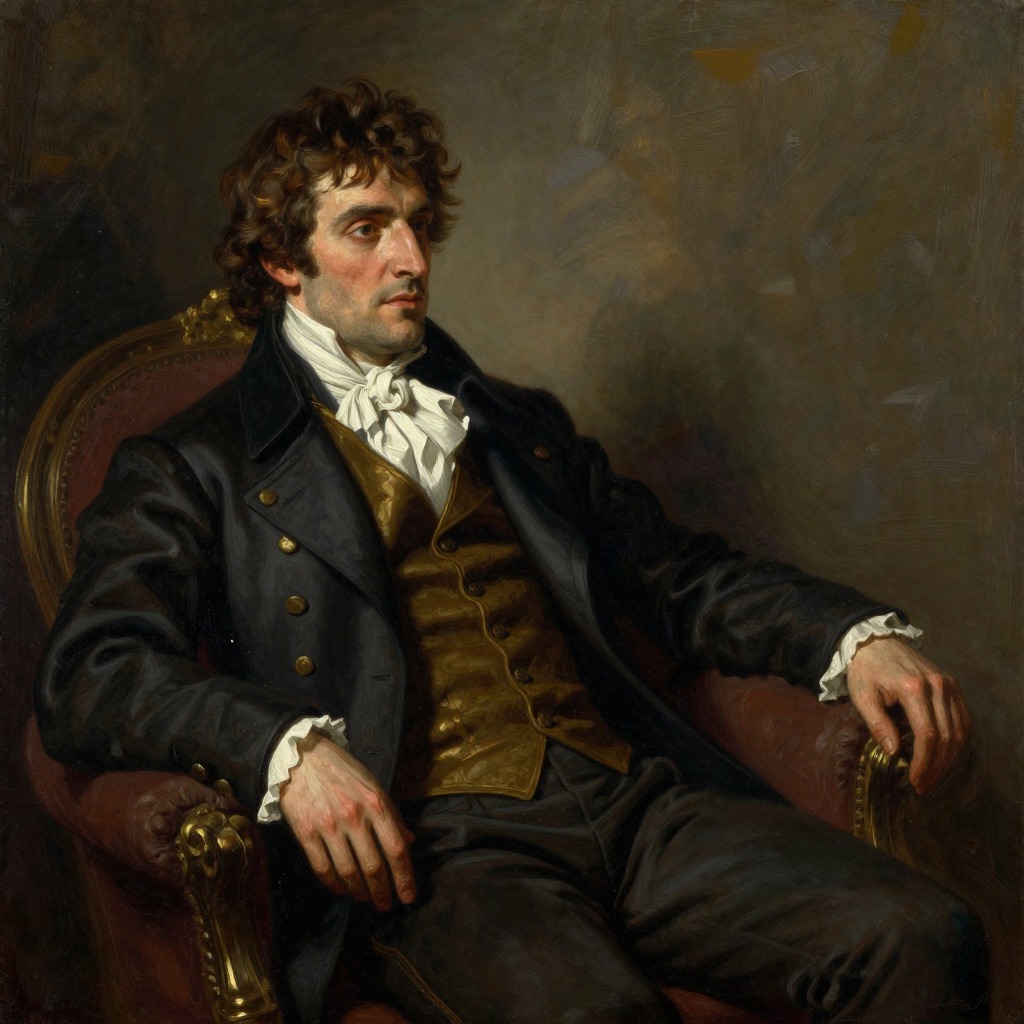
The Marquis de Saint-Meran is a minor but significant character in Alexandre Dumas's The Count of Monte Cristo. He is a fervent royalist, a devoted father, and a symbol of the old aristocracy whose sudden death becomes a crucial turning point in the novel's intricate plot of revenge.
Identity and Background
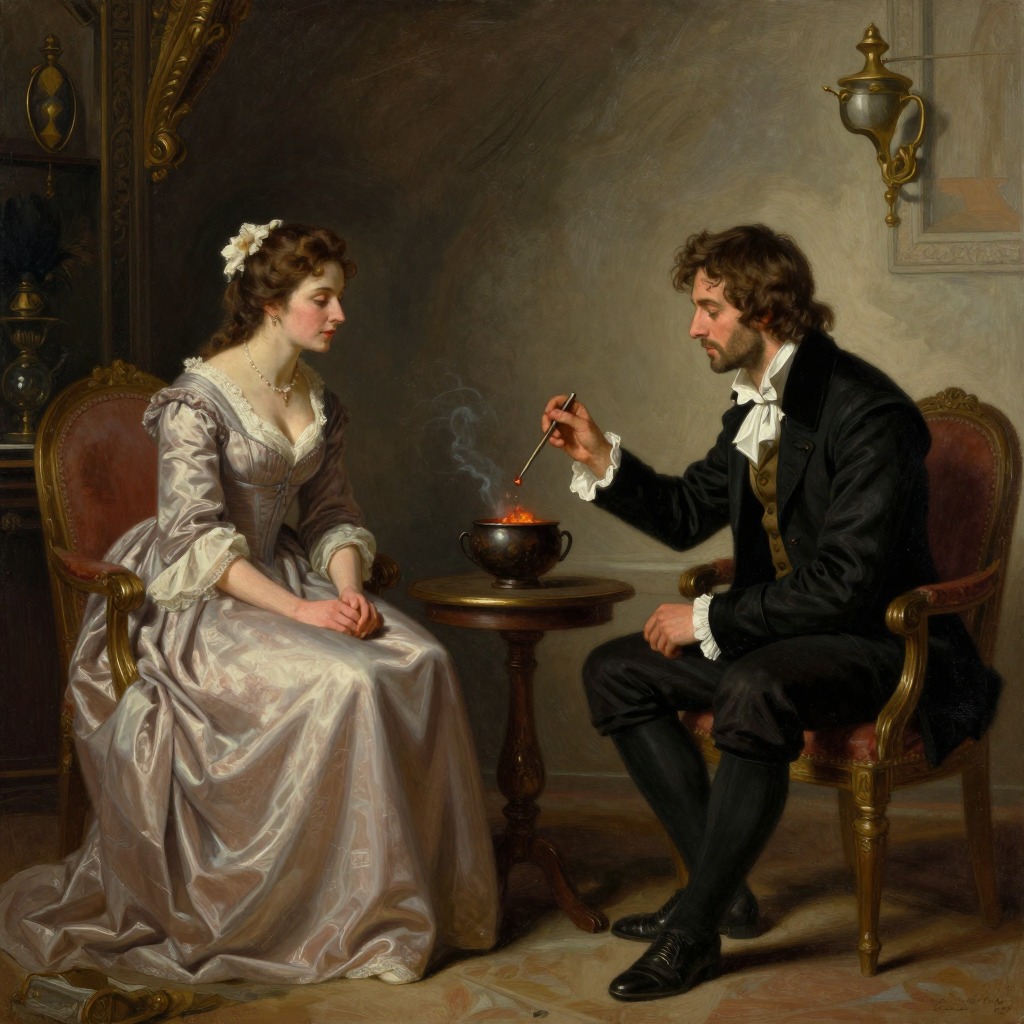
The Marquis de Saint-Meran is introduced as an old nobleman, a staunch supporter of the Bourbon monarchy. He is the father of Renee de Saint-Meran, the first wife of the ambitious magistrate Gerard de Villefort. His political loyalties are made clear during a dinner party at the Villefort residence, where he proposes a toast to King Louis XVIII, celebrating the monarch's return and the defeat of Napoleon. This act aligns him firmly with the royalist faction, in direct opposition to the Bonapartist sympathies of his son-in-law's father, Noirtier de Villefort. The marquis's devotion to the crown is so profound that he and his wife are willing to sacrifice their personal comfort for their political principles, as noted by the Marquise de Saint-Meran when she contrasts their loyalty with the opportunism of the revolutionaries.
Life and Plot Trajectory
The marquis's life is largely defined by his family connections and his political stance. He is a loving father to Renee, and after her death, he and his wife become devoted grandparents to their granddaughter, Valentine de Villefort. Their affection for Valentine is evident in their desire to secure her future, particularly through an advantageous marriage. The marquis's death occurs during a journey to Paris, where he and his wife are traveling to see Valentine and to hasten her marriage to Franz d'Epinay. He dies suddenly, apparently from an apoplectic stroke, after eating some lozenges. His death is followed shortly by that of his wife, who succumbs to a similar mysterious illness. These two deaths, occurring in such rapid succession, arouse suspicion, particularly in the mind of the family physician, M. d'Avrigny, who later discovers that they were both poisoned.
Relationships and Conflict
The marquis's primary relationships are with his wife, his daughter, and his granddaughter. His relationship with his son-in-law, Villefort, is cordial but formal, reflecting the political and social distance between them. The marquis's death creates a significant conflict for Villefort, as it removes a powerful ally and also sets the stage for the inheritance that Valentine is due to receive. The marquis's death also indirectly contributes to the conflict between Villefort and his father, Noirtier, as the latter's will and the subsequent poisoning of Valentine are tied to the family's fortune. The marquis's political stance also places him in opposition to the Bonapartist faction, a conflict that is inherited by his family and becomes a source of tension throughout the novel.
Change and Ending
The marquis's death marks a significant change in the fortunes of the Villefort family. His passing, along with that of his wife, leaves Valentine as the sole heiress to the Saint-Meran fortune, making her a target for those who covet her wealth. The mysterious circumstances of his death also plant the seeds of suspicion and distrust within the household, ultimately leading to the revelation of the poisonings and the downfall of Villefort. The marquis himself does not undergo any personal transformation; he remains a steadfast royalist and a devoted family man until his untimely end. His death serves as a catalyst for the novel's later events, rather than a moment of personal development.
Narrative Role and Evaluation
The Marquis de Saint-Meran functions primarily as a plot device, his death serving to advance the narrative and to create the conditions for the central conflicts of the second half of the novel. He is a representative of the old aristocracy, whose values and political allegiances are contrasted with the ambition and moral corruption of the newer generation, particularly Villefort and Danglars. His death, and the subsequent death of his wife, are the first in a series of mysterious fatalities that plague the Villefort household, and they serve as a warning of the destructive power of the Count of Monte Cristo's vengeance. While the marquis himself is not a complex or deeply drawn character, his role in the story is essential to the novel's structure and themes.